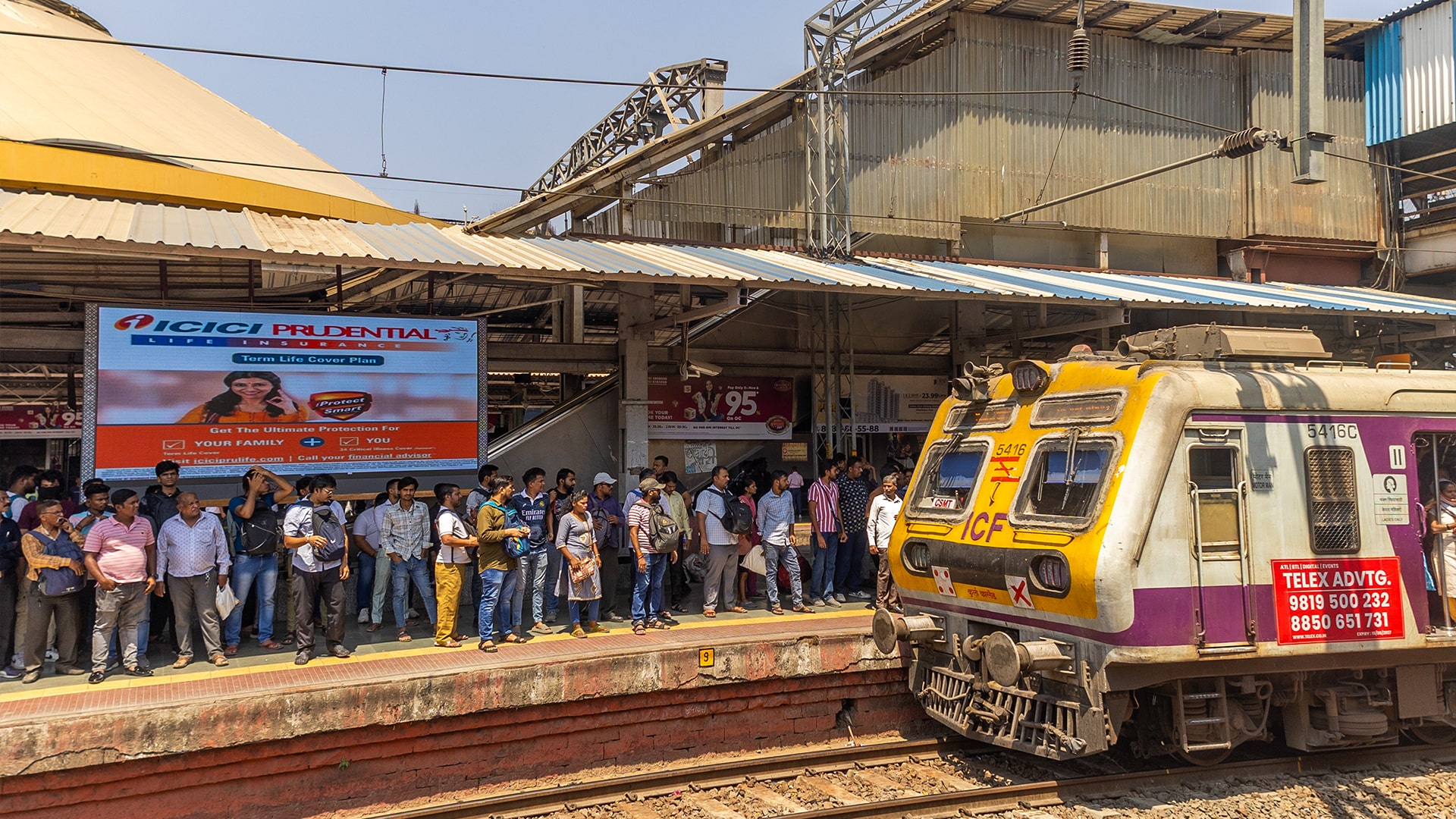

In today’s fast-paced world, capturing attention is everything—and in-transit advertising does exactly that. Whether it’s LED screens at railway stations or jingles on public transport, this form of advertising has a unique psychological edge that helps brands stick.
The answer lies in context and repetition. Commuters often follow routine routes, making them pass the same ads repeatedly. This consistent exposure builds familiarity and recall, a phenomenon known as the mere-exposure effect. The more we see something, the more we remember and trust it.
While waiting for trains or buses, people are usually idle. With limited distractions, commuters are more likely to notice their surroundings, including well-placed LED screens or audio announcements. This passive engagement creates an ideal opportunity for brands to make a lasting impression.
Vivid visuals, catchy audio, and location-based relevance amplify ad recall. For example, a vibrant LED display in a high-footfall railway station not only grabs attention but stays top-of-mind throughout the commuter’s day.
Commuters are often in a reflective or anticipatory state, either starting or ending their day. Ads that connect emotionally or offer utility during these moments tend to be more memorable and impactful.
In-transit advertising blends strategic placement, repetition, and emotional timing to create strong brand recall. For businesses looking to reach diverse, high-volume audiences, this medium offers both psychological and practical advantages.